Empowering supplier trading with smarter invoicing solutions.
2024-2025 · Marcura / ShipServ
- Role
- UX lead
- Project length
- 2024–2025
- What shipped
- Rebuilt supplier invoicing flow
- Impact
- 16% more invoices · 39% faster
I led the UX redesign to streamline and rebuild the supplier invoicing experience for Marcura, a B2B maritime trading platform that connects buyers and sellers in marine goods.
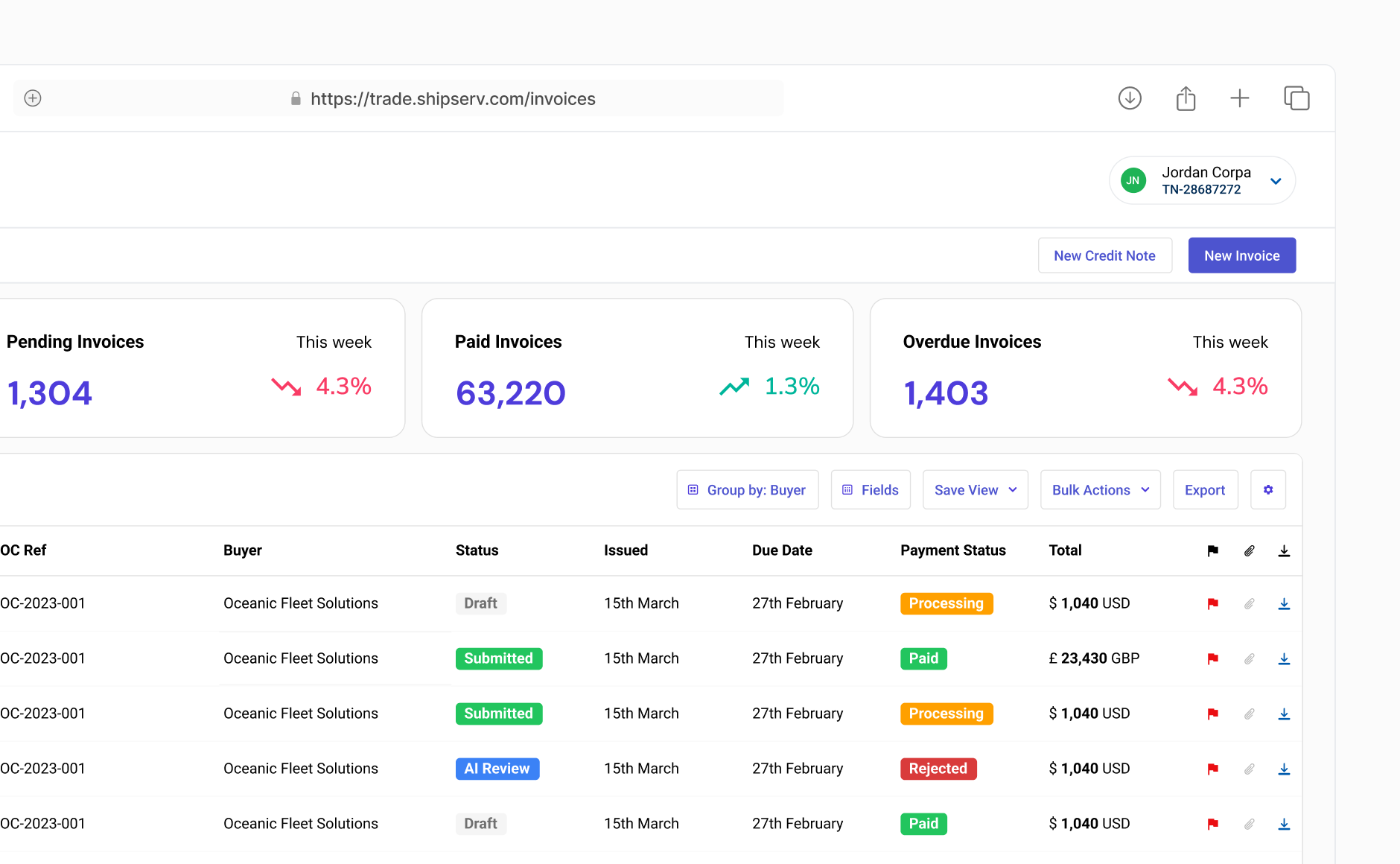
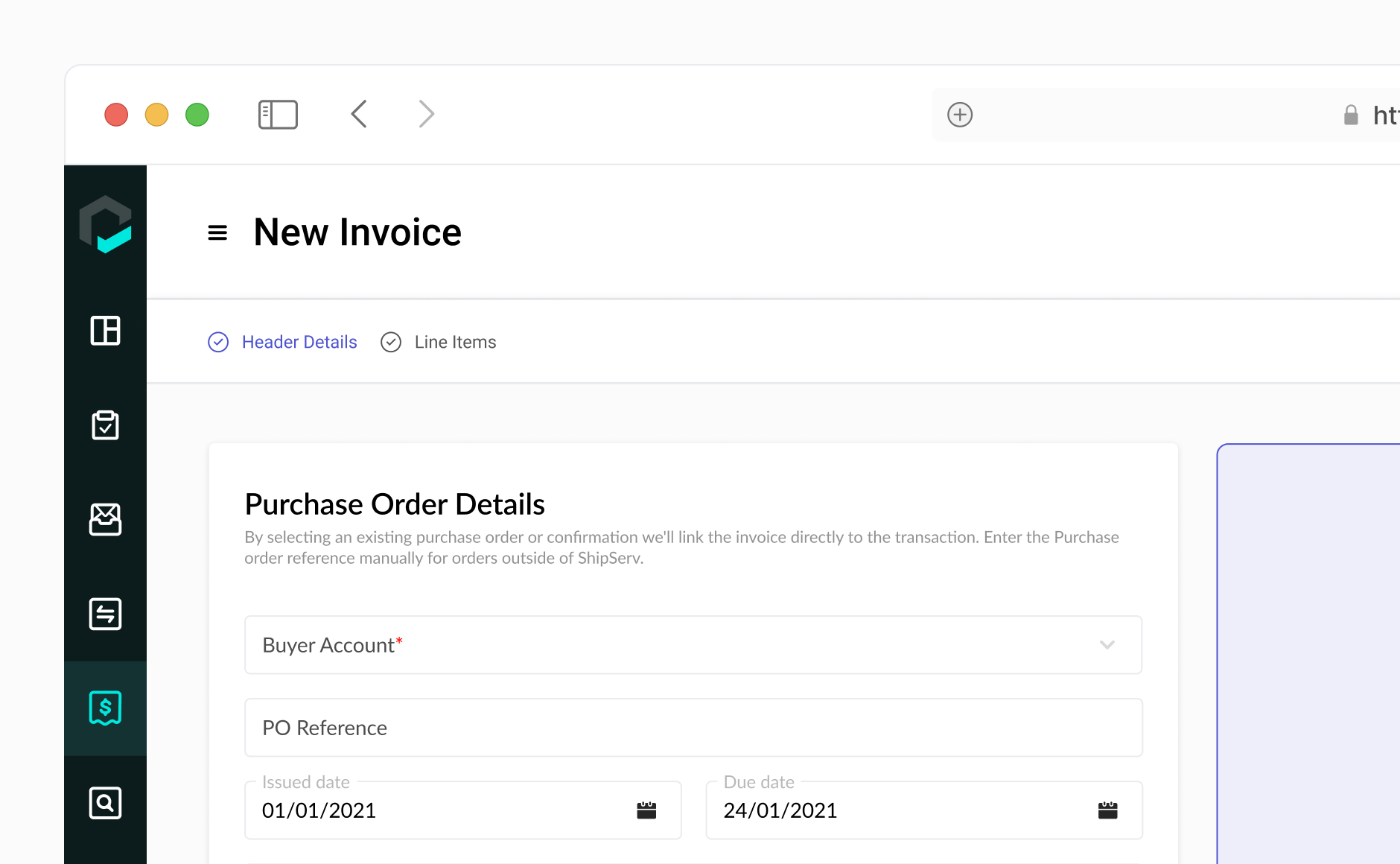
The Impact
- 16% uptick in total invoices
- 4 new suppliers onboarded to ShipServ
- 39% reduction in invoice creation time
- 4.6 CSAT for invoicing
Problem
Most suppliers could complete a transaction, but only 20% went on to raise an invoice. Invoicing was being treated as optional, not as the endpoint of the deal. The suppliers who did invoice found the process slow, repetitive, and opaque, which is a big part of why the other 80% never bothered.
That broke payment traceability, blocked financial automation, and left us without a clean audit trail. I needed to find out what made invoicing feel like extra work, and fix it hard enough that suppliers would do it by default.
Business goals
- Increase the proportion of transactions that ended in an invoice.
- Reduce the time it took suppliers to create, review, and submit one.
- Meet the invoicing requirements needed to onboard four prospective suppliers.
My role
As UX lead, I owned the experience end-to-end and worked through ideation and strategy.
- Created the full design flow for invoice creation, management, and in-house tooling.
- Led concept testing and usability studies using AI-built prototypes.
- Aligned three teams throughout: engineering, data, and solutions.
- Reacted quickly to changing requirements with rapid feedback loops.
My approach
Stay close to suppliers, keep engineering and solutions aligned, and design within the platform rather than around it.
Research
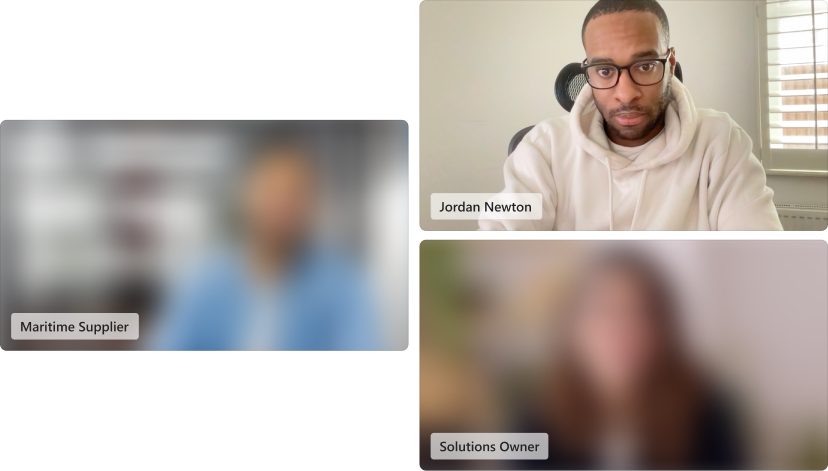
I opened with a discovery workshop. The solutions team had spent years collecting client feedback on invoicing, scattered across different places, so I pulled it into one room and shared it across teams. It set a baseline, and we used the session to map the current flow and mark where it broke down.
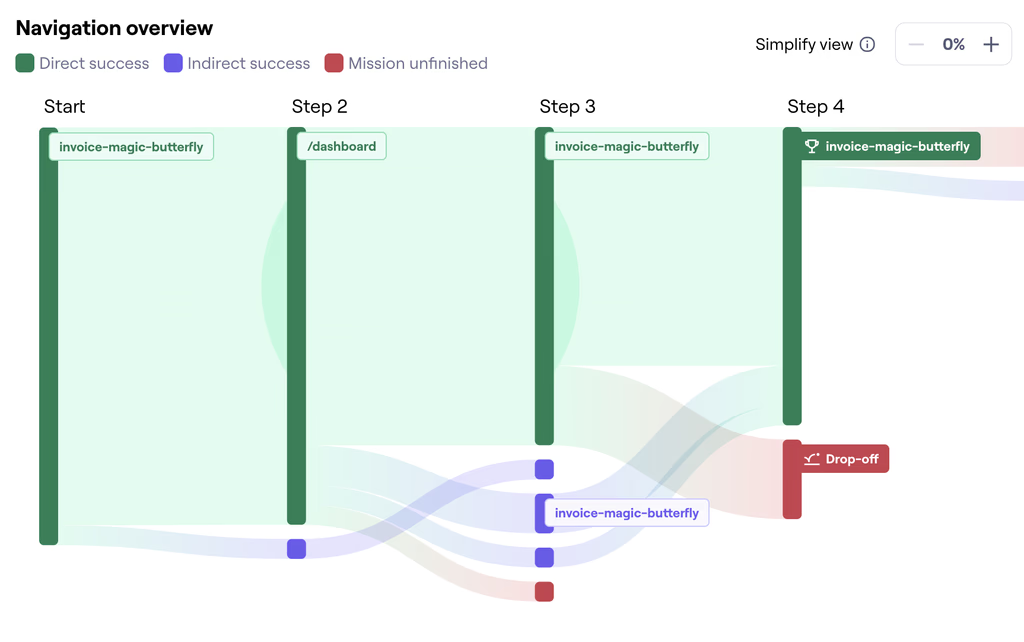
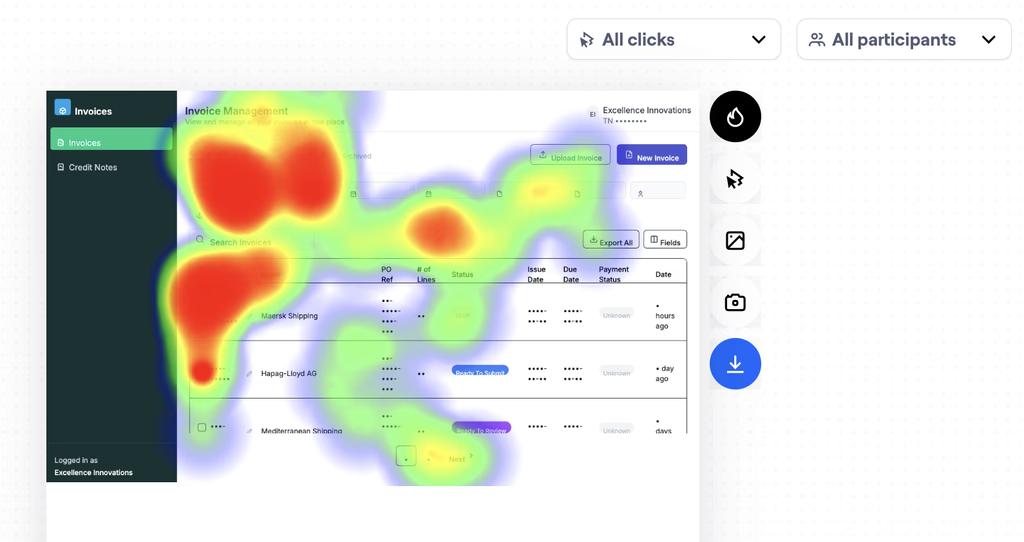
From there I went wider: supplier interviews, Hotjar recordings, stakeholder workshops, and GA4 path analysis. The aim was to separate surface-level irritation from the things actually stopping suppliers from invoicing.
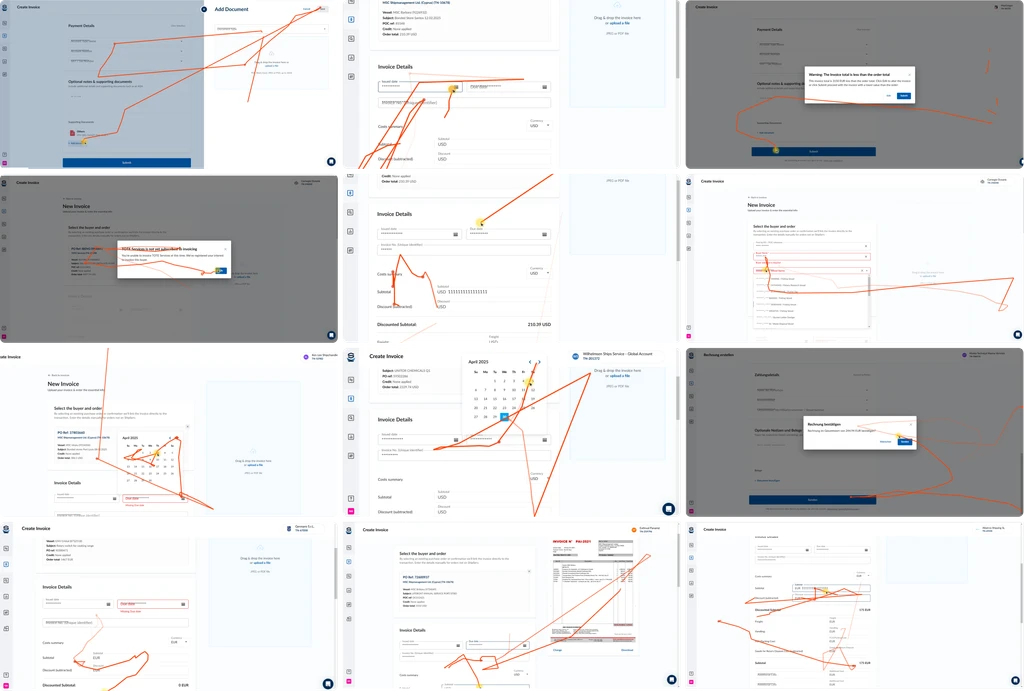
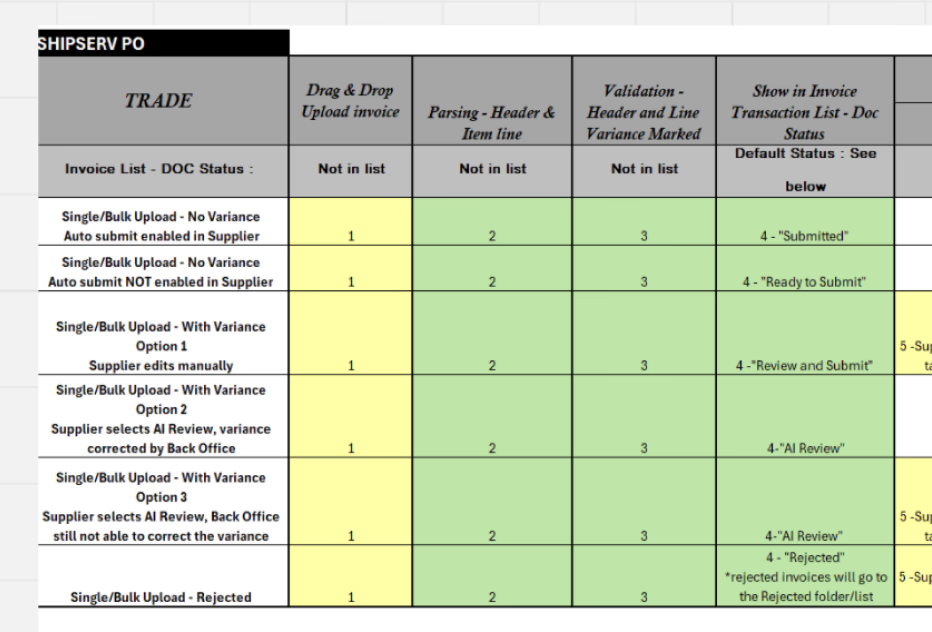
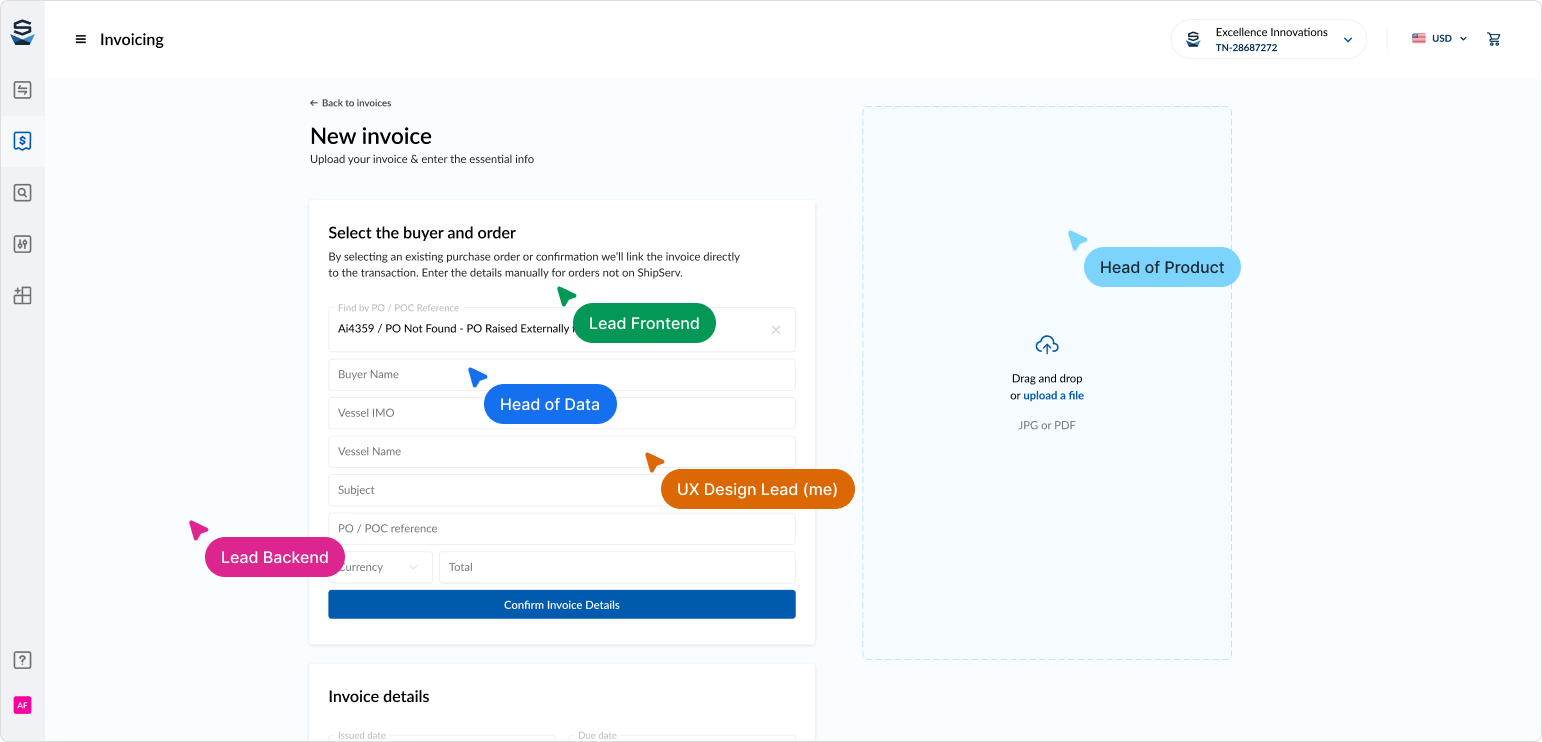
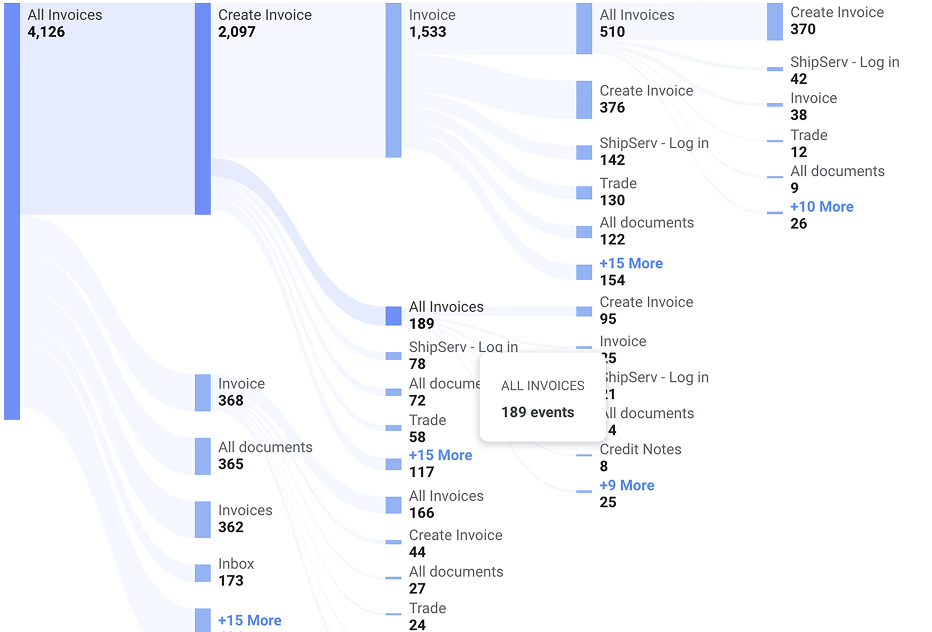
Issues we identified
I sat with product to review everything and define what success looked like, then narrowed the feedback down to four pain points worth fixing in this iteration.
- Bulk invoicing was repetitive and slow. Suppliers often invoiced in bulk, re-entering similar data for every one.
- Most fields had to be entered manually, even though we already held the data in our master records.
- Suppliers had no visibility on what happened after they hit submit. No confirmation it was received or read, so they resorted to chasing buyers over email.

- The list view was missing the filters and sorting they got everywhere else on the platform.
These weren't just annoyances. Each one added cost to the act of invoicing, which is why suppliers were skipping it. The job wasn't to make invoicing prettier. It was to make it cheap enough that doing it became the obvious choice.
Ideation
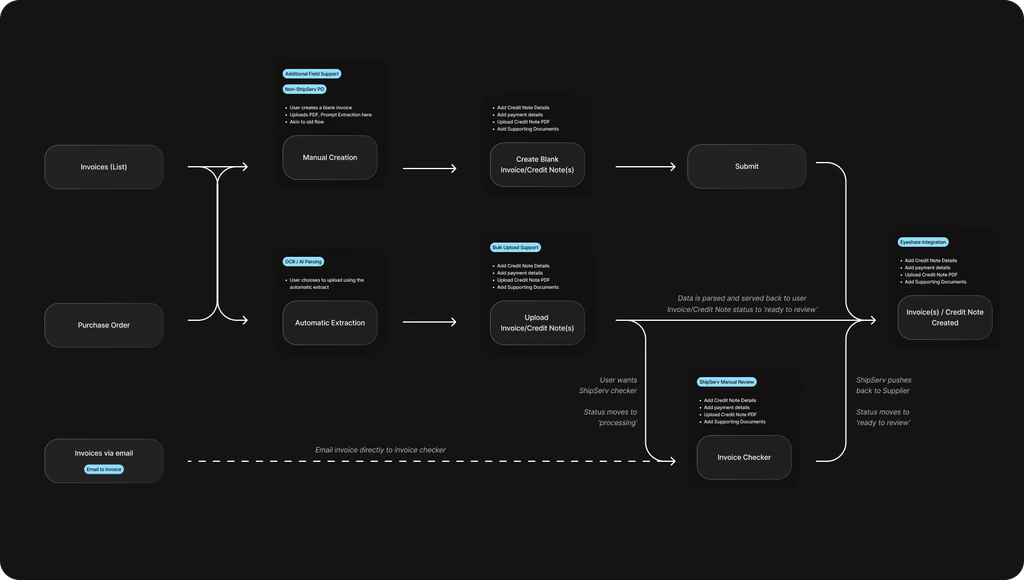
With the four issues agreed, I moved into ideation. I started on the whiteboard, throwing every problem and possible solution into one space, then narrowed to the flows worth pursuing.
From there I mapped user flows for invoice management and submission, then built mid-fi component designs to get the ideas in front of the team. Before committing to anything, I pitched the early concepts to engineering to catch technical limitations while they were still cheap to change.
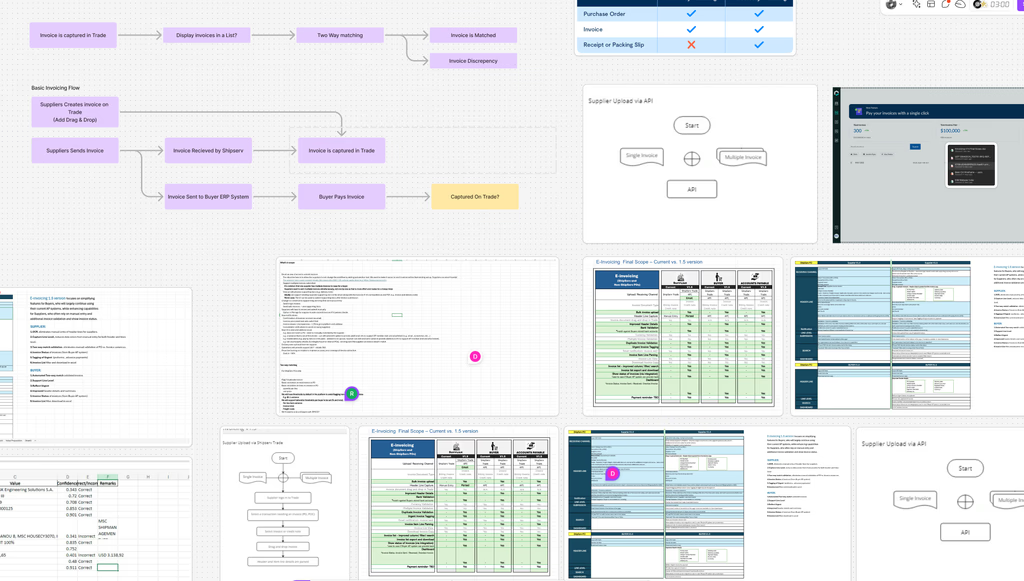
Concepts
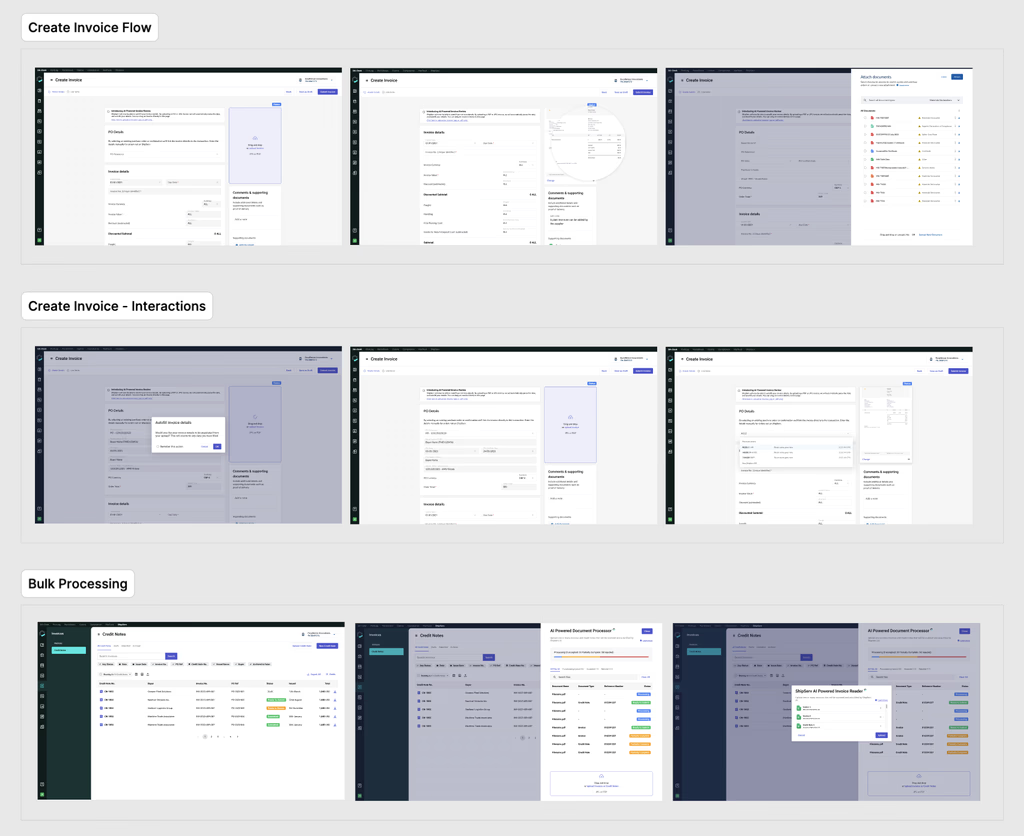
I used Lovable to build rough prototypes of three flows I wanted to test with real users: autofill, bulk processing, and transaction list improvements. Working in code rather than Figma let me get something testable in front of suppliers much faster.
Testing
Every prototype was measured against the same metrics: task success, time-to-completion, click count, ease-of-use, and CSAT. That way I could compare confidence and effort rather than relying on preference.
- 90% task success for autofill
- 87% task success for bulk upload
- 4.4 CSAT score for list improvements
Refinement
I took the Maze data and ran a final round of design changes off the back of user feedback. The prototypes moved back into Figma, where I connected them, annotated them, and presented the full flow for sign-off before beta.
Launch / Outcome
With the design refined, we rolled the updates out to beta users. The point was to see if the changes held up against the original problems, not just whether the prototypes tested well.
- Transaction-to-invoice ratio up 16%. More suppliers crossed the line into invoicing once the cost of doing it dropped.
- 22% faster to submit an invoice end-to-end.
- 60% fewer manual fields per invoice.
- 19% more invoices submitted per session.
- 4.6 CSAT post-launch, up from where invoicing was sitting before.
Measured against the three goals we set at the start: ratio up, submission time down, and four suppliers onboarded on the back of the new flow.